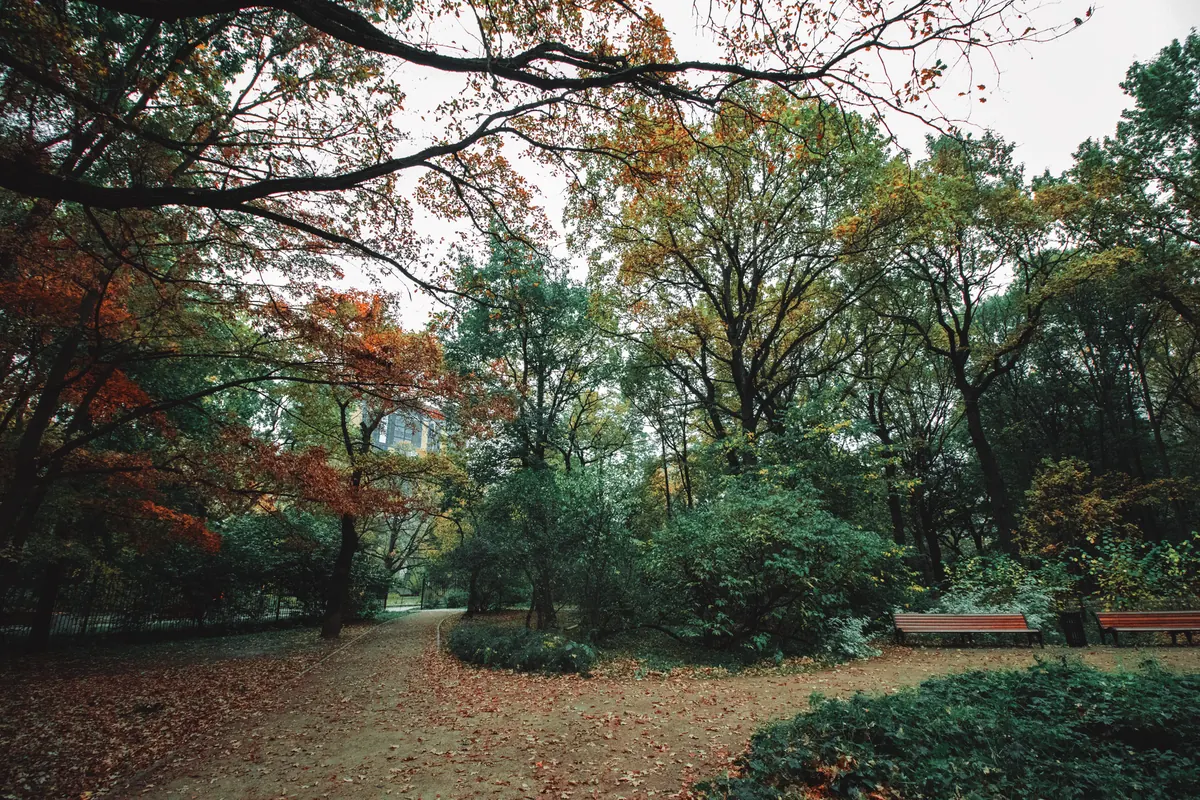
Evening Relaxation: How to Light Your Garden Bench Area Without Electricity
October 09, 2026 - Evening Relaxation

October 04, 2026 - Outdoor Seating

A small garden is unforgiving about placement. A bench that would vanish into a long border can dominate a courtyard, cut a route in half, or sit in the one spot where the paving never dries. Most unused garden benches are not badly made — they are badly sited. Almost every one of these problems is easier to solve on paper than after the fixings are in.
Scale is the first thing to get wrong, and it usually happens before the bench is delivered. A seat that looks modest in a showroom can swallow a small garden whole, particularly with a high back, solid arms and a deep seat. As a rough guide, benches are 55–65cm deep, a two-seater is around 1.2m wide and a three-seater runs to 1.5–1.8m. In a courtyard measuring four metres by four, that is a serious commitment of floor space.
Measure the spot, then mark the outline with string, canes or a few sheets of newspaper and leave it there for a day. You will notice things a tape measure cannot tell you: how it feels to walk past, whether the space now looks cramped, whether it blocks the light you were counting on.
Open-backed and slatted designs read as lighter than solid panels, and a backless bench can face either way. If the garden is genuinely tiny, a folding or two-seater bench that tucks against a wall is usually a better answer than a three-seater that never quite fits. Height matters too — a tall-backed bench against a low fence can look top-heavy, while a low one beside a 1.8m panel can disappear.
A bench in the wrong place turns a pleasant garden into a slalom. The route from the back door to the shed, the tap, the bin store or the washing line matters more than most people expect, and it is the first thing to suffer when a seat appears.
Clearances worth keeping in mind:
If the only sensible spot narrows the route to a squeeze, look elsewhere: a corner that is already dead ground, the end of a border, or the strip beside the shed that nothing else will use.
Gardens have their own weather. A sheltered corner just outside the kitchen door may be the obvious place for a bench, but if it faces north it will sit in shade for most of the day, and it will feel cool and clammy even in summer.
Spend a day — ideally a weekend — watching where the light lands. Morning sun comes from the east, the strongest and longest afternoon sun from the south and west. A bench placed against a south-facing wall or fence will warm up early and stay warm into the evening, which is why those spots are rarely empty. Watch out for shade that will change as a tree or hedge grows, and for tall buildings or fences that throw shadows from mid-afternoon onwards.
Do not simply chase the sunniest patch either. A bench in full midday glare in July, with no shade nearby, gets used less than one that catches sun in the morning and dappled shade at lunchtime.
Damp destroys benches far more often than sun does, and small gardens have a lot of it. Watch where water goes after a heavy shower. Gutters without proper downpipes, roof edges, dripping fence rails, splash-back from paving and low spots in the lawn are all bad neighbours for a seat.
Beneath a tree is another common trap. It looks idyllic until the sap, bird droppings and leaf litter arrive, and it will drip on you for hours after the rain has stopped elsewhere. If you want shelter, a proper canopy or an arbour works better than hopeful foliage.
Keep the feet off permanently wet ground. A layer of gravel, a few paving slabs or purpose-made feet will lift timber clear of a damp lawn and slow rot considerably. Timber benefits from an annual oil or stain; metal frames can become uncomfortably hot in direct sun and very cold in winter; resin and plastic need little beyond a wipe. Whatever the material, take cushions indoors — no bench keeps them dry overnight.
A bench that rocks, or that moves in a gale, is a bench you stop trusting. Uneven paving is the usual culprit, so check for wobble before you commit to a spot, and use shims or a small base of compacted grit if needed.
Weight matters. Lightweight aluminium and rattan seats blow over in strong wind, so do not site one where it can tumble into a window, a greenhouse or a pond. On decking, fix the feet to the boards and make sure any screws reach the joists underneath rather than biting into thin boards alone. Against a wall, a simple bracket or a pair of straps stops the frame shifting. Near a drop, a step, a pond or anywhere children might climb, anchor it properly or move it somewhere safer.
Sitting down and staring at a bare fence panel half a metre away is nobody's idea of a good garden. A bench should have a view, even a small one: a border of scented plants, a large pot, a bird bath, a favourite shrub, the lawn where children play. If the best available spot faces nothing in particular, make something worth looking at before you install the bench, not after.
It is also worth checking how the seat looks from the house. In a small garden the bench is part of the view all year, so treat it as a feature rather than an afterthought — placed deliberately at the end of a path or centred on a border, it can make a modest space feel designed.
Before drilling or bolting anything, do this. Mark the footprint. Put an ordinary dining chair roughly where the bench would sit and spend ten minutes there at different times of day, ideally across a week. Check the ground is level and dry. Walk the route past it carrying something bulky. Then look at the space from the kitchen window.
Most placement mistakes show themselves at that stage, while the only cost is a few minutes of standing about. Get the position right and the bench becomes the best-used square metre in the garden; get it wrong and it becomes somewhere to stack plant pots.
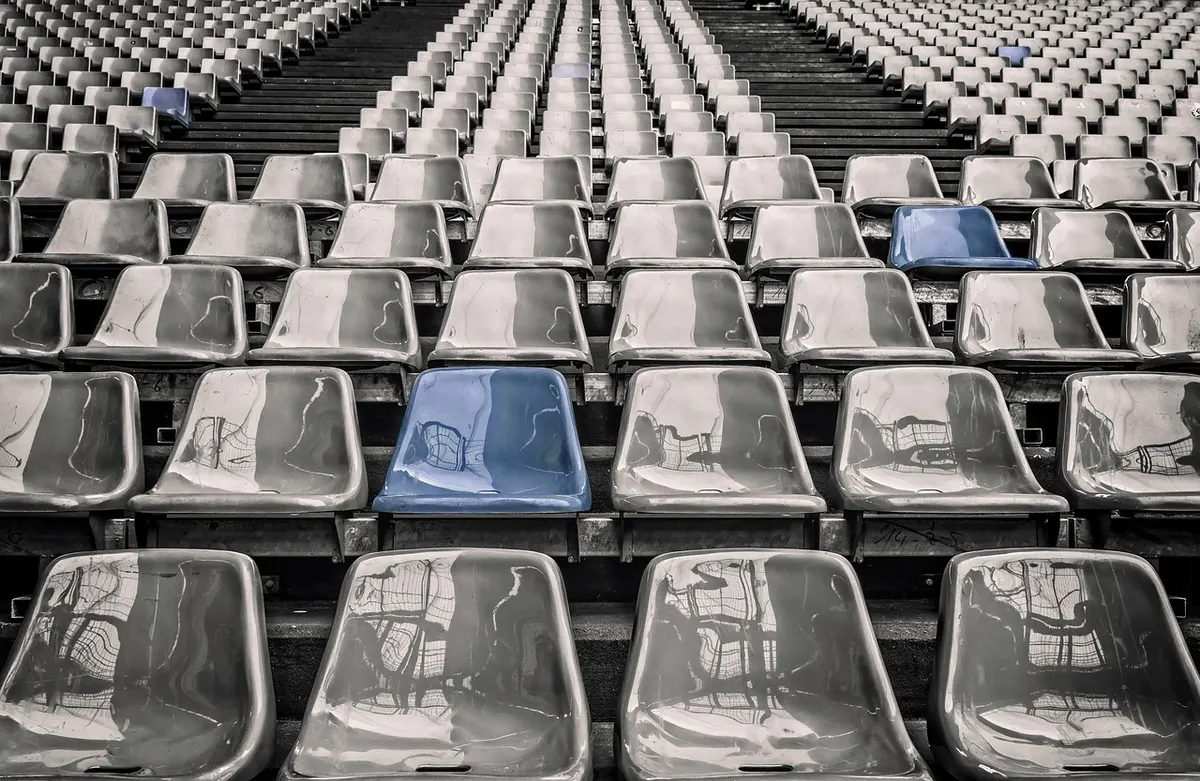
Photo: congerdesign / Pixabay

Warm, low-cost ways to light a garden bench at dusk without wiring — solar panels, glass lanterns, candles,...
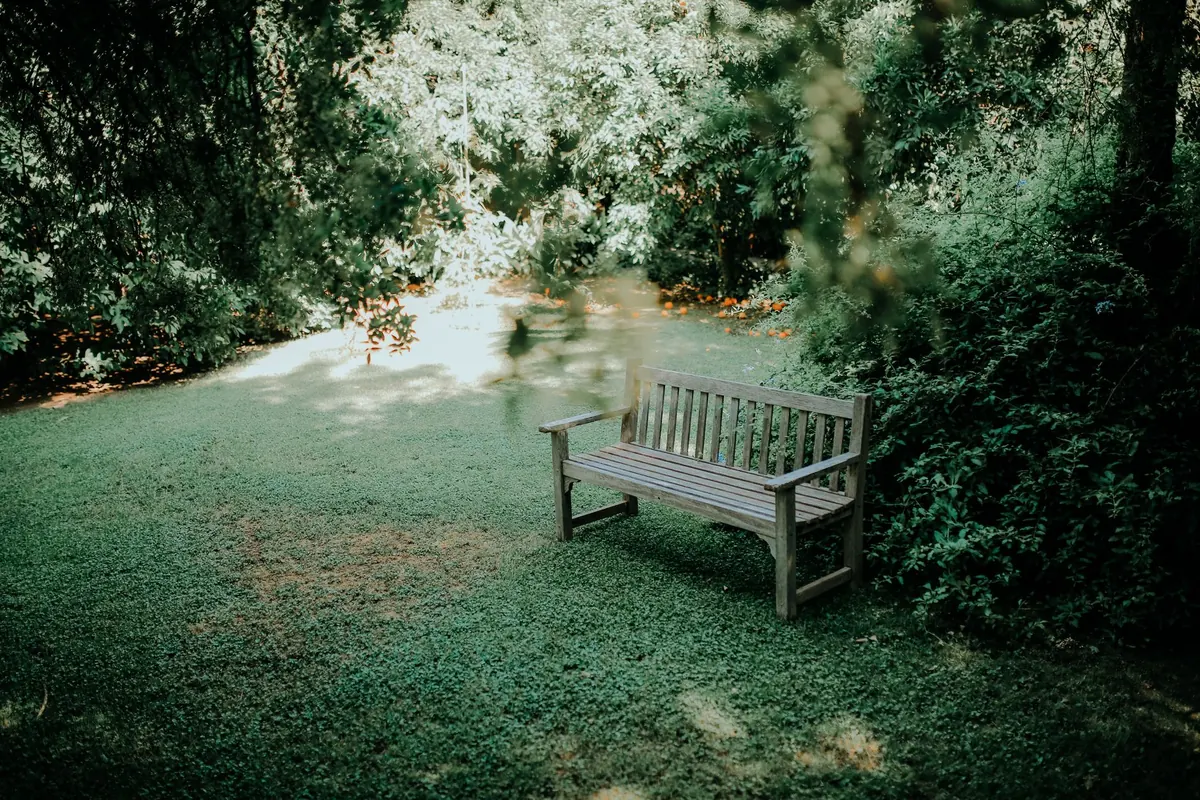
Choose a bench spot by matching it to the hours you'll actually use it: evening sun, shelter from prevailing wind, a...
Copyright © 2026 Dusk Bench. All Right Reserved.