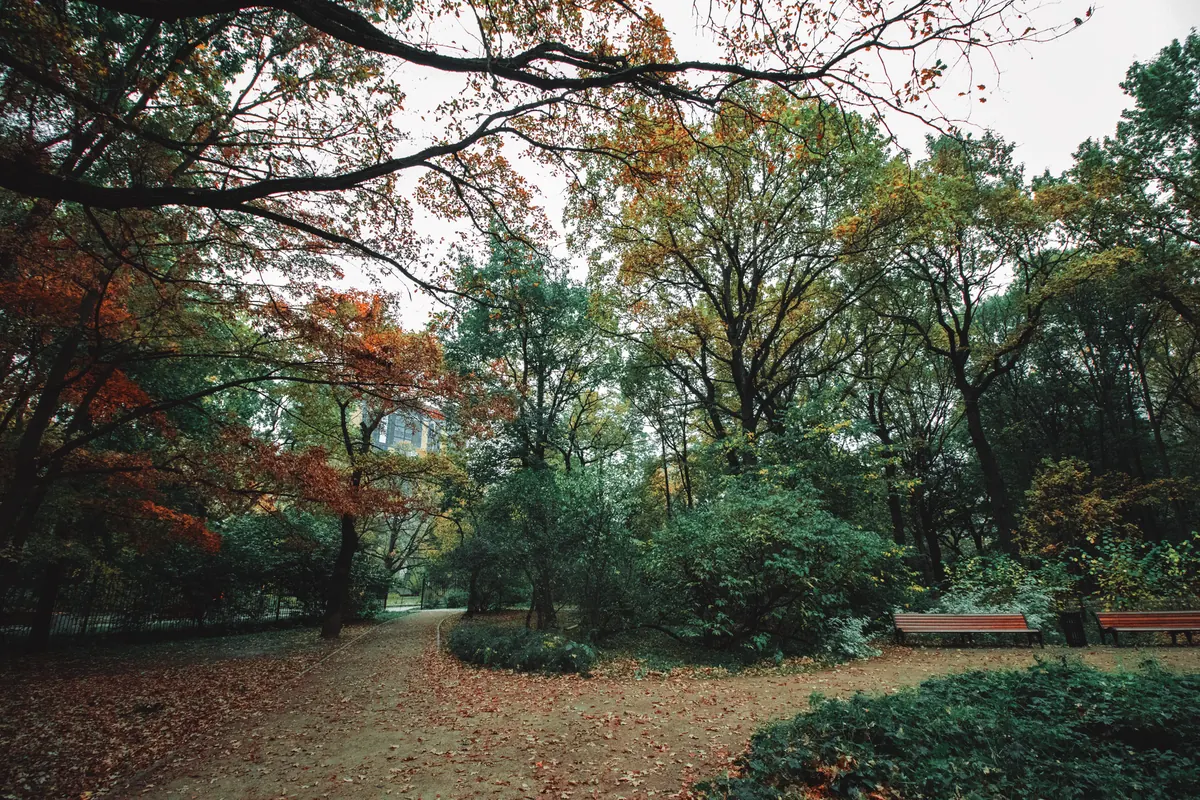
Evening Relaxation: How to Light Your Garden Bench Area Without Electricity
October 09, 2026 - Evening Relaxation

October 04, 2026 - Outdoor Seating
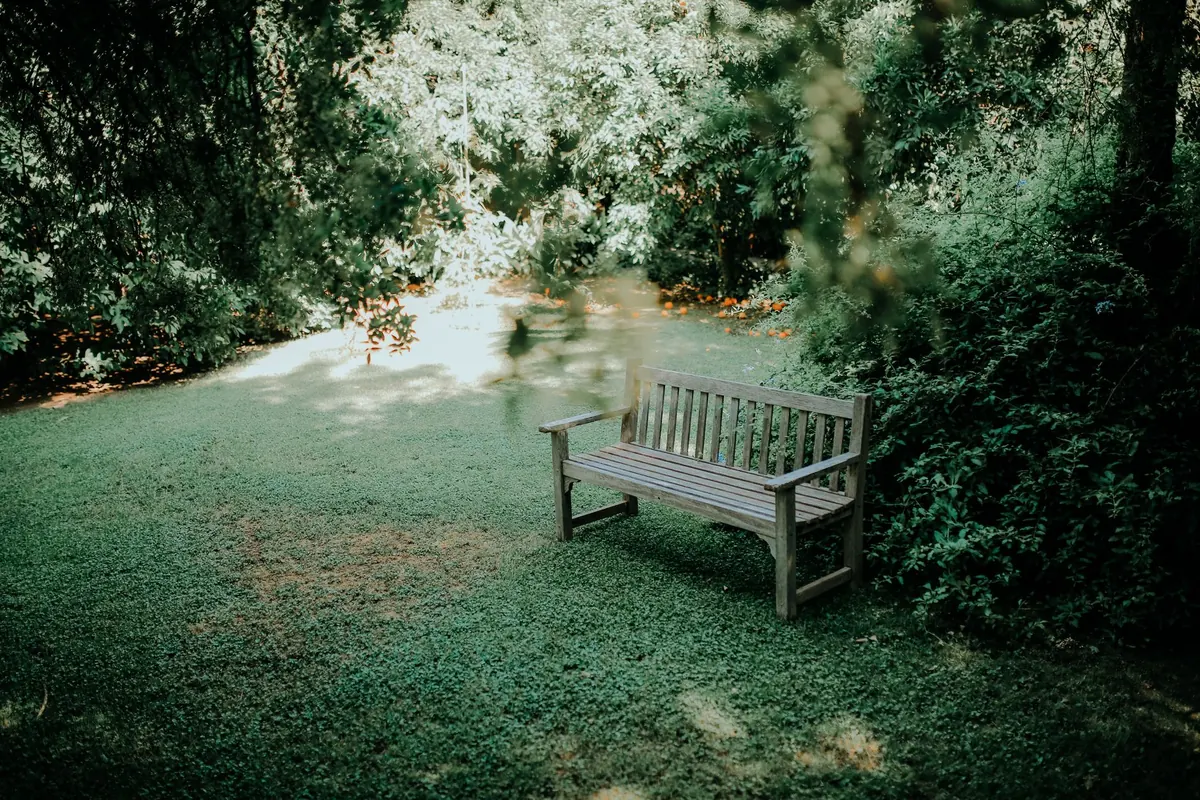
A bench that gets bought in spring and used as a plant shelf by July is almost always in the wrong place. It isn't the bench's fault. Seats get used when they are easy to reach, comfortable, and pleasant to sit on at the exact time of day you want to sit. That means thinking about light, wind, privacy and sightlines before you lift a single slab.
A garden's light shifts more than most people expect, both through the day and through the year. The corner that feels perfect in early May may be in deep shade by August, and a spot that looks gloomy in February can be the best seat in the garden by June.
Most benches are used on weekday evenings, roughly between six and eight in summer. So walk the garden at that hour, in bare feet if the weather allows, and find where the sun is still landing. Mark it with a cane, a spare pot, or the handle of a rake. That is your first candidate.
If you are usually home during the day instead, work out where the morning sun falls and plan around that. There is no universally correct aspect, only the one that fits your routine.
An east-facing bench catches early sun and is often pleasant for coffee. A south-facing bench gets the most hours of light, but against a brick wall in July it can be genuinely uncomfortable, because the wall soaks up heat and radiates it back at you. A little shade overhead, from a parasol, a tree or a climbing plant on a pergola, makes a south-facing seat far more usable in high summer.
A microclimate is simply the local conditions of a small area: how warm, how windy, how damp. Two spots three metres apart can feel like different gardens. Worth checking:
In the UK, prevailing winds generally arrive from the south-west, so the best natural shelter is usually on that side: a hedge, a fence, a wall, or the house itself. A bench with something solid behind it and open air in front feels warmer and calmer than one standing exposed in the middle of a lawn.
Be careful not to overdo it. A bench wedged into a small courtyard with walls on three sides can become airless and stifling in summer. You want moving air, just not a constant battering.
Deciduous trees give dappled shade in summer and let light through in winter, which suits a bench beautifully. Evergreens screen all year but create dry shade underneath, where little grows and the ground stays bare and dusty. Before you commit to a spot under a tree, think about what arrives from above: falling leaves, seed pods, sap, and the sticky honeydew that aphids leave behind on lime and sycamore. None of it is fatal, but you will be cleaning the seat rather than sitting on it.
Being overlooked changes how often a bench is used. If a neighbour's upstairs window looks directly at the spot you have in mind, you will feel it even if you tell yourself you won't. Sitting with your back to something solid — a hedge, a wall, a tall planter — feels instinctively more comfortable than sitting exposed in the open. It is one of the oldest tricks in garden design.
A small trellis, a freestanding screen, or a change of position usually solves it. Moving the bench two metres often does more than planting anything.
If you are putting up fencing or cutting back a boundary hedge, check the deeds and any covenants first, and be aware that tree protection orders and boundary ownership rules can apply. Your local council or a solicitor can confirm the position quickly; it is worth ten minutes before you start digging.
An overlooked bench is a bench you stop using, however comfortable it is.
Comfort at a bench is partly about what is around your feet. Get these wrong and no amount of cushions will rescue it.
A bench frames whatever it faces. If the sightline includes the bin store, the compost heap or the trampoline frame, that is what you will stare at every time. Point it at a border, a pond, a favourite tree, or simply down the length of the garden.
Also think about looking back the other way. Some of the best evenings are spent facing the house, watching the light move across the windows. And be wary of a bench facing due west, straight into a low summer sun: lovely for ten minutes, glaring for the next forty. Angle it slightly, or add a little shade.
Place the bench, but do not fix it down. Leave it loose for a fortnight and sit in it at different times: a weekday evening, a Sunday morning, once after rain. Check whether the ground under it stays dry, whether the seat is still in sun when you want it, and whether you actually want to stay there for half an hour. If it passes, mark the feet and secure it. If it doesn't, move it a couple of metres and start again — it is far easier now than after the slabs are set.
If you can take one idea from all of this, take this: choose the spot for the time of day you will genuinely use it, back it with something solid, and give it firm, dry ground to stand on. Evening sun, shelter from the south-west, a little screening, and a view worth sitting with will cover most gardens, whether yours is the size of a rug or a small field.
Photo: Ali Kargı / Pexels

Warm, low-cost ways to light a garden bench at dusk without wiring — solar panels, glass lanterns, candles,...
Make the most of a small balcony with folding benches, wall-mounted seats and clever compact layouts that keep the...
Copyright © 2026 Dusk Bench. All Right Reserved.