Evening Relaxation: How to Light Your Garden Bench Area Without Electricity
October 09, 2026 - Evening Relaxation


October 04, 2026 - Outdoor Seating

A British summer can throw four seasons at your patio in a fortnight. That is why the material your garden furniture is made from matters more than the shape of the armrests or the shade of the cushions. Get it right and a table and chairs will sit out from April to October with barely a thought. Get it wrong and you will spend your free weekends sanding, oiling and dragging things into the shed. Here is what each of the common materials does well, where it struggles, and what it asks of you.
Hardwoods — teak, iroko, acacia, eucalyptus — are dense and naturally resistant to rot. Teak is the benchmark: a fine grain, a honey colour that silvers with age if you leave it untreated, and enough natural oil to shrug off a wet week. Acacia and eucalyptus cost less and look similar, but they generally need oiling more often to stop the surface drying and lifting.
Softwoods such as pine and spruce are the budget option. They are perfectly serviceable if you treat them, but left bare they will grey, split, and rot first at the joints where water sits.
What wood asks of you:
Untreated wood will silver gracefully, and plenty of people like the look. Just remember that silvering is the surface being weathered away, so the timber becomes thirstier with every season it goes bare.
Aluminium is light, so it will not rust, and easy to rearrange — sometimes too easy. In an exposed garden, a gust can send a lightweight bistro set skidding across the patio. Powder-coated frames hold up best, and cast aluminium is noticeably more stable than thin tube. Check the welds and the feet before you buy.
Steel is heavier and stays put, but it depends entirely on its coating. A chip in the paint is where rust starts, and rust runs, leaving orange marks on pale paving. Touching up chips as soon as you spot them is far less work than repainting a whole frame.
Wrought iron is the traditional choice: very heavy, very stable, and best placed somewhere you will never want to move it. It needs a fresh coat of paint every few years to keep rust at bay. A wipe down and a dry-off after rain keeps any metal frame sharper; skip abrasive pads, which scratch the coating and invite corrosion.
Natural rattan is a climbing palm woven into shape. In a conservatory or under a covered porch it looks lovely and lasts well. Left out through a British winter, it is a gamble: it soaks up damp, dries unevenly and cracks along the weave.
What most garden centres call rattan is synthetic — polyethylene or HDPE strands woven over an aluminium frame. This is the version to choose for UK gardens. It handles rain and UV, wipes clean with soapy water, and will not rot or splinter. Quality varies widely, though. Cheaper sets can fade or turn brittle after a few seasons, so look at the density of the weave, feel the frame beneath it, and check that the feet are protected.
Polypropylene and resin furniture hoses down, stacks neatly and costs far less than anything else here. It will not rot, splinter or rust, which makes it a sensible pick for small gardens, balconies, and households where chairs double as climbing frames. The trade-offs are weight and longevity. Light plastic shifts in the wind, so stack it or store it when a blow is forecast, and cheap mouldings go chalky and brittle under UV. Look for UV-stabilised plastic, and legs you can fill with sand or water where that is an option.
Three questions settle most of this.
A few habits extend the life of any set more than the purchase decision itself: keep it off wet grass and soil, clear standing water from table tops and tray recesses where it collects, and store or cover it over winter.
Spring is for cleaning, tightening and treating — oil the wood, touch up the metal, wash the weave. Summer is mostly about wiping up spills and shaking out cushions. Autumn is when the real work happens: brush off fallen leaves, dry everything thoroughly, and move what you can into a shed or garage. If a set has to stay out, use a breathable cover rather than a plastic sheet, which traps condensation against the frame.
Material is not the whole story, but it decides how your furniture will age and how much attention it will ask for. A hardwood set and a plastic set can both be good buys; they simply suit different gardens and different people. Spend your budget on the frame first and the cushions second, check the joins and feet before you commit, and choose the material you are realistically willing to look after. Done that way, the furniture becomes part of the garden rather than another job on the list.

Warm, low-cost ways to light a garden bench at dusk without wiring — solar panels, glass lanterns, candles,...
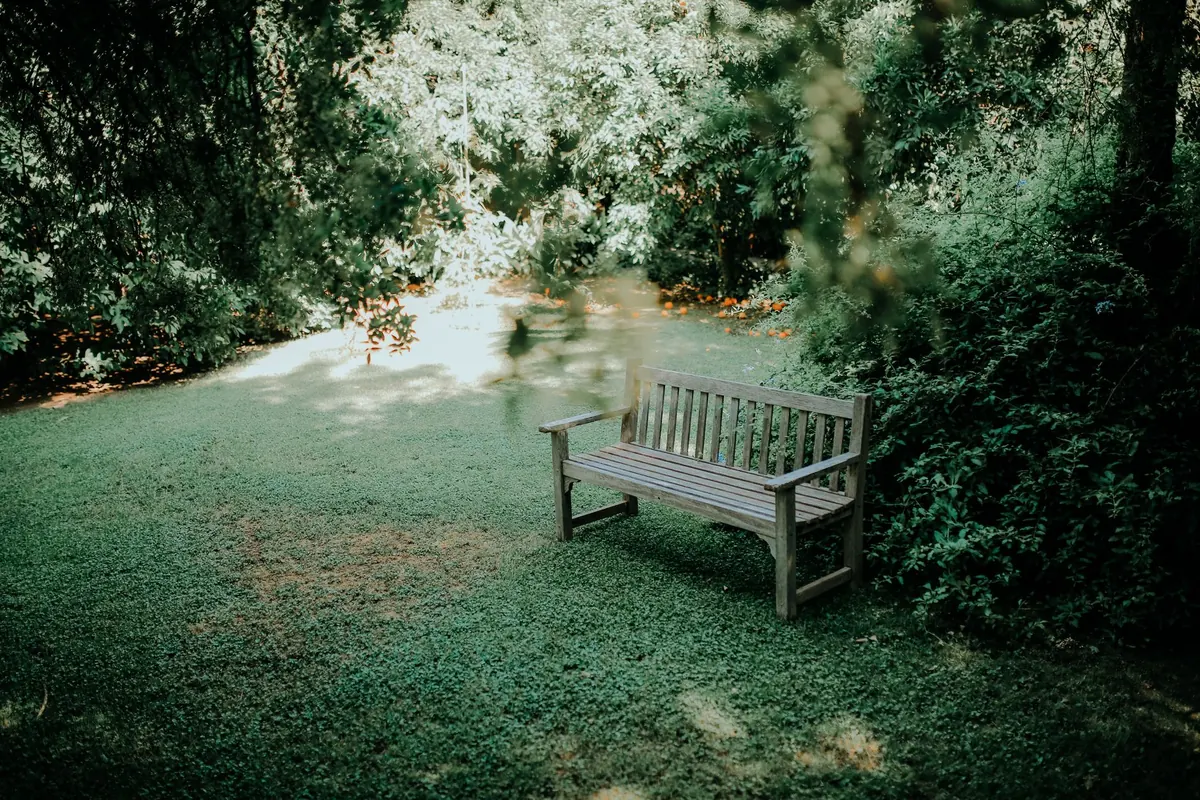
Choose a bench spot by matching it to the hours you'll actually use it: evening sun, shelter from prevailing wind, a...
Copyright © 2026 Dusk Bench. All Right Reserved.